Public platform
Self-hosted at rokumongames.com

Independent product venture · Live beta
I conceived, branded, built and deployed a public games platform that can host projects made with very different tools without forcing them into one codebase.
Self-hosted at rokumongames.com
Catalogue count, not a finished-game claim
Catalogue, identity and game bridge
A versioned integration contract
Career relevance
For a hiring manager, Rokumon is evidence that I can take an ambiguous product idea through positioning, architecture, AI-assisted implementation, launch and ongoing operations. It connects commercial judgement with enough technical depth to make good product decisions and ship the result.
The product problem
The games existed as unrelated builds across handwritten HTML, vanilla JavaScript, Vite, Next.js and other runtimes. A conventional hub that compiled every game into itself would become fragile as soon as a new engine arrived.
Rokumon treats each game as an opaque static bundle plus a manifest. The platform hosts the bundle, supplies the catalogue and player layer, and communicates through a narrow versioned bridge instead of importing game internals.
“A game is an opaque static bundle plus a manifest.”
Architecture and product judgement
The interesting work is not the feature count. It is choosing boundaries that let unlike games coexist without turning every release into a rewrite.
A JSON manifest and static bundle are the intake contract. Adding a game does not require rewriting the hub.
Profiles, streaks, quests and trophies remain useful without sign-in. Accounts are optional rather than a gate to play.
Validated postMessage events let games report meaningful activity while remaining framework-agnostic.
Build checks, artifact-only deployment, nginx, systemd, TLS and a documented release loop make the site operable beyond launch day.
Catalogue reality
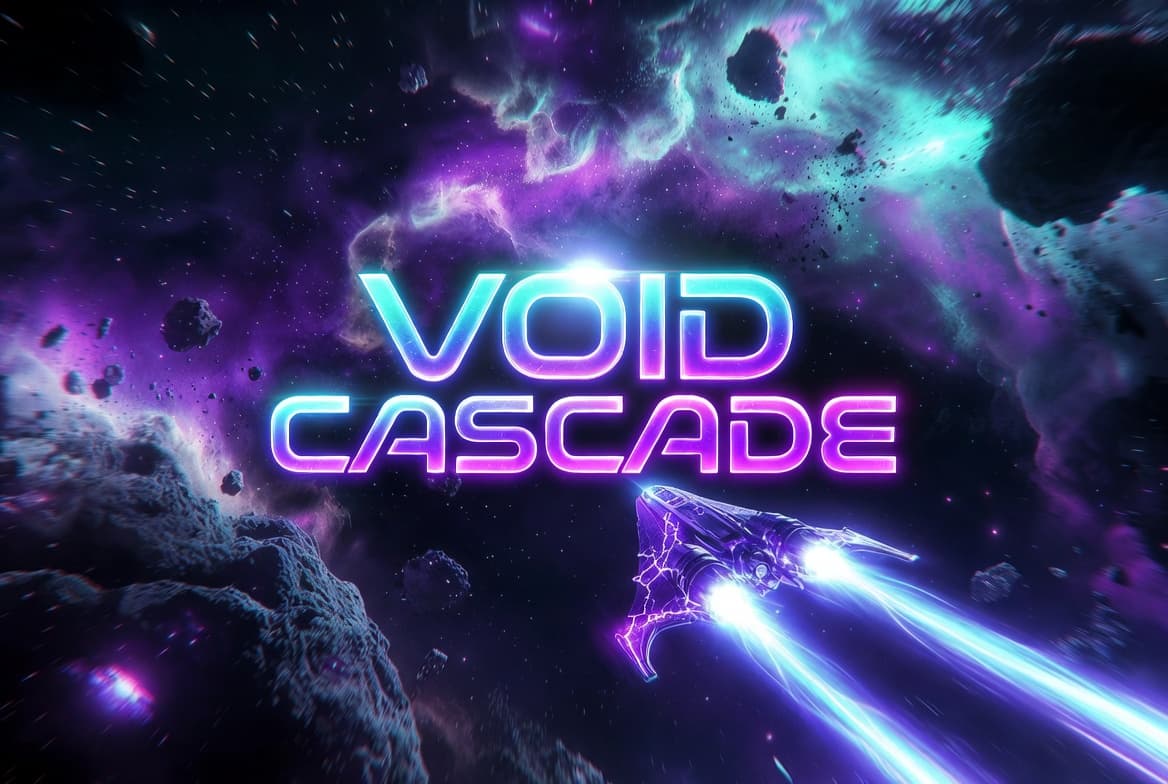
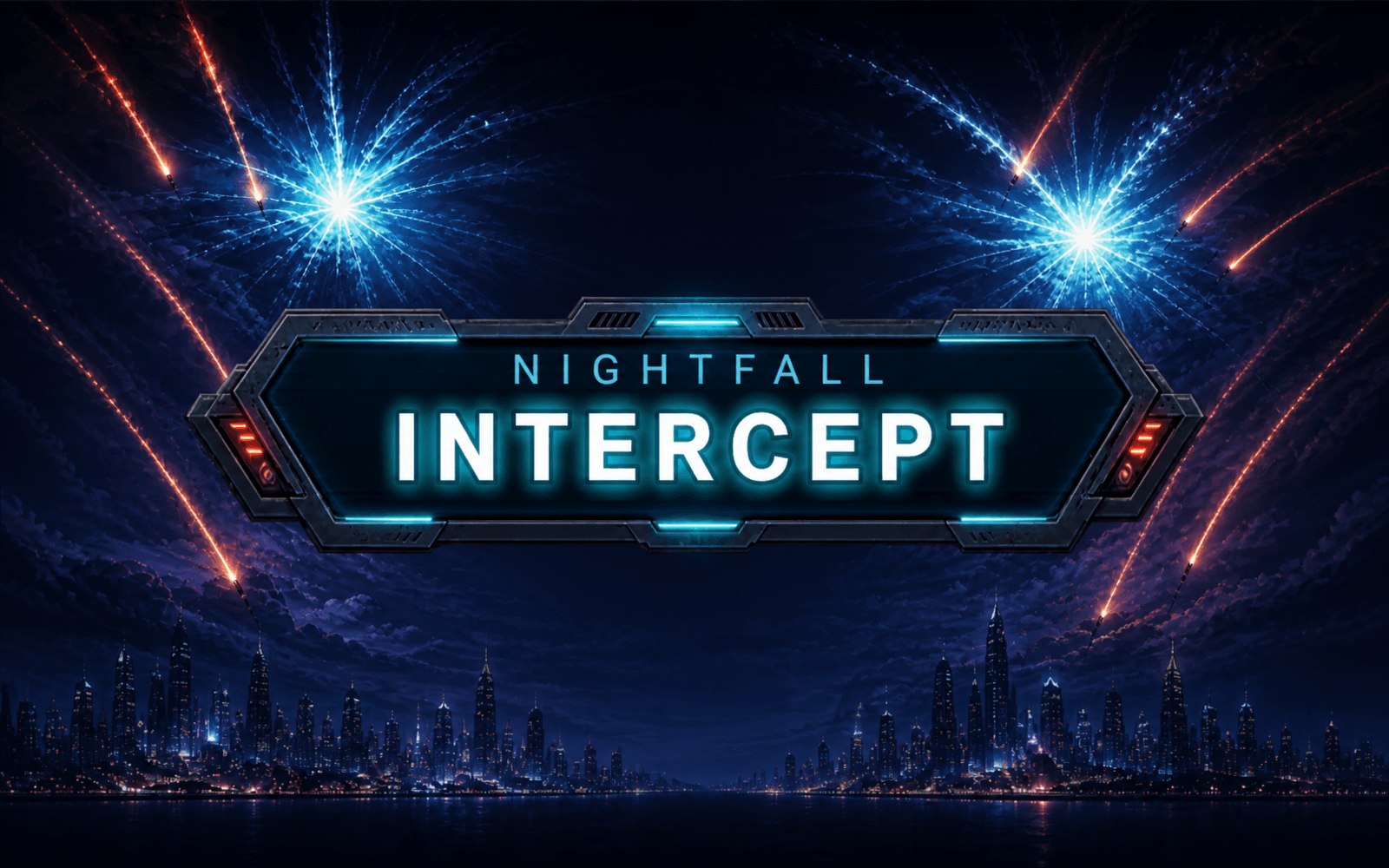
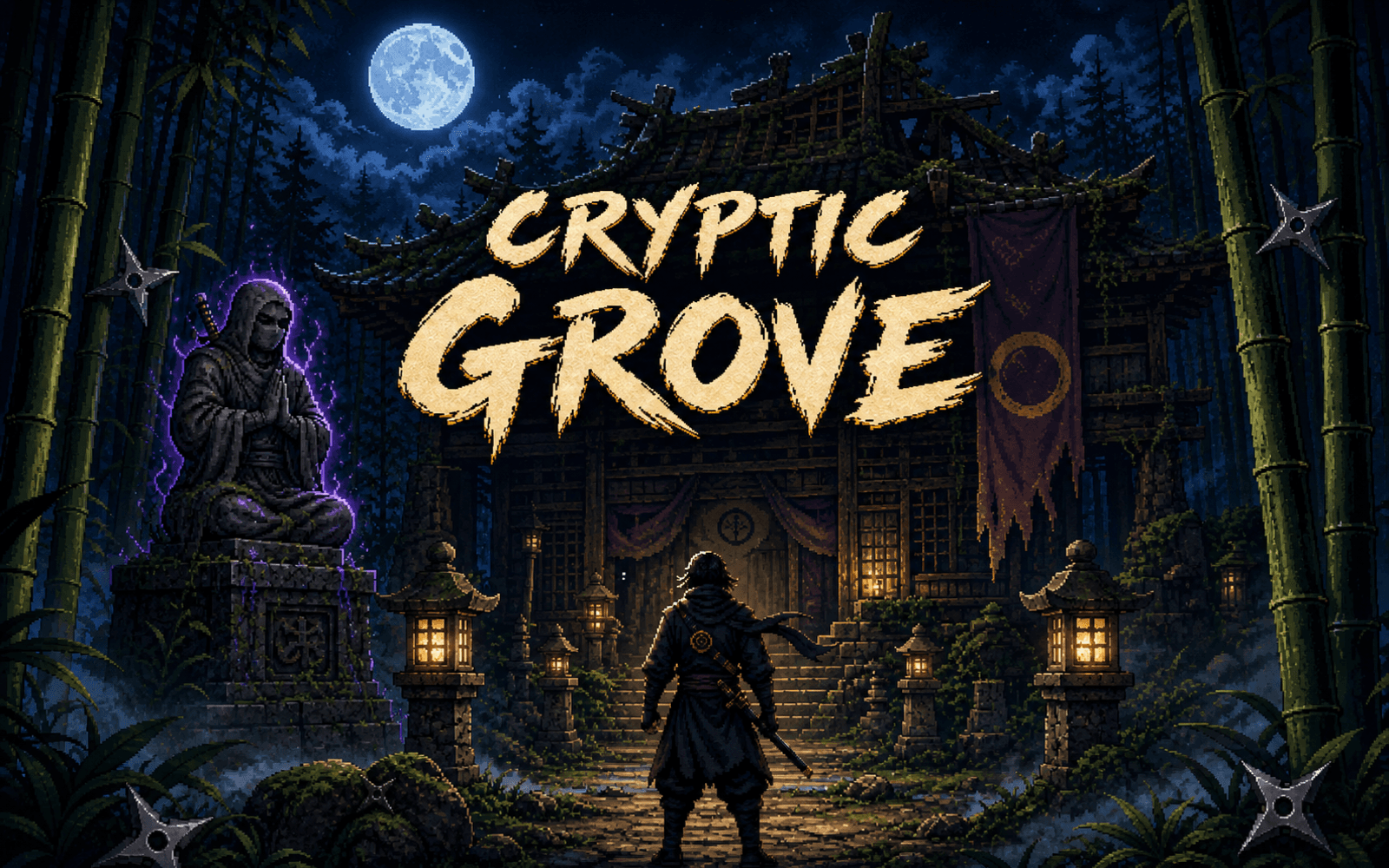
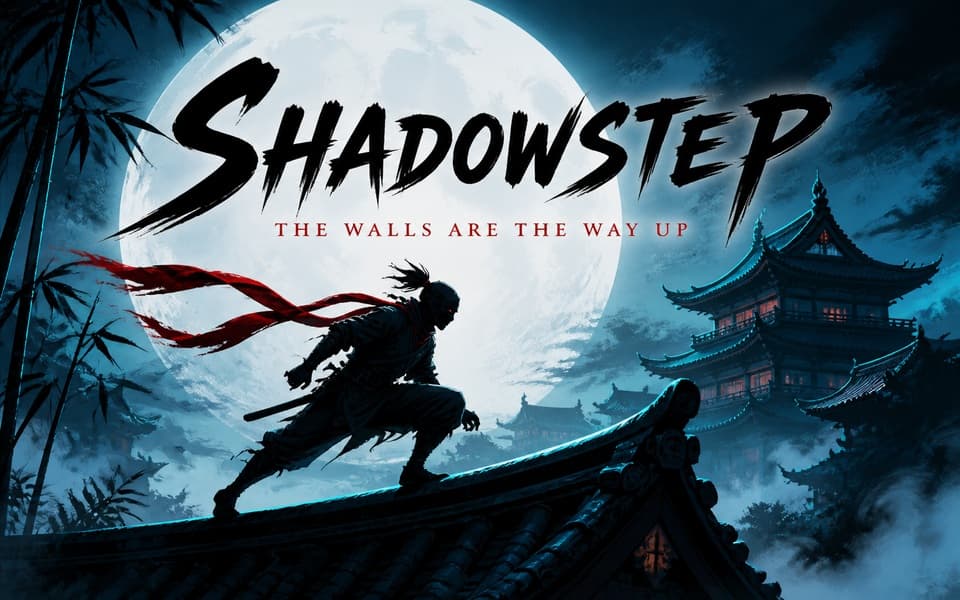
The hub stays visually restrained so each game can bring its own colour, genre and visual language.
What the build demonstrates
Each capability is tied to a product decision, operating boundary or shipped outcome.
Defined the portfolio-studio posture, feature admission rules, release gates and commercial experiments.
Designed stable seams around catalogue, identity and game activity so future platform stages remain replaceable.
Selected the name, domain, six-coin identity, visual language and honest catalogue vocabulary.
Used coding agents across research, implementation, review, documentation and testing while retaining product authority.
Shipped the standalone Next.js application behind nginx and systemd on a VPS with production checks and runbooks.
Separated hosted, playable, accepted and flagship states so catalogue size cannot masquerade as product quality.
Honest current state
Rokumon has ten hosted catalogue entries, not ten finished games. Several entries remain prototypes or works in progress, and the public language is designed to make that distinction visible.
Next milestone: Close the incomplete game loops, complete foreground acceptance, and select three titles that genuinely meet the flagship bar.
Explore Rokumon Games ↗Claims on this page are grounded in the production repository, deployment runbook and project operating records reviewed on 10 August 2026.